

Most Wanted Components 2013


Kronos Tonearm, Formerly the Black Beauty ($8500): This arm, used on the Kronos turntable, provided excellent sound at the Rocky Mountain Audio Fest. I had not heard either before. It’s expensive but exceptional. The arm is designed to pivot at the level of the record’s surface. This seemed to give the arm exceptional stability and ease. I would love to hear it versus the Ikeda 407CR1, my reference. (Norm Luttbeg)
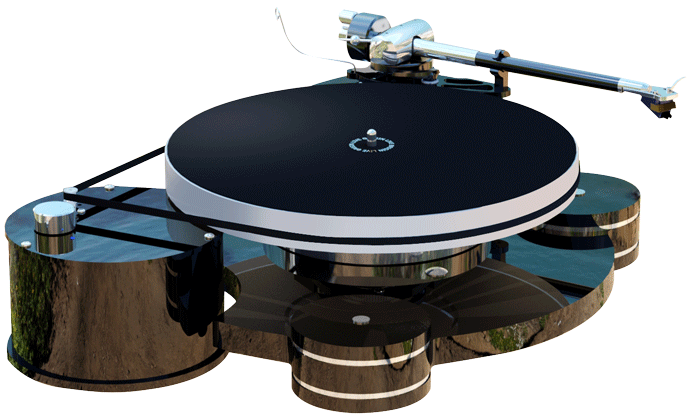
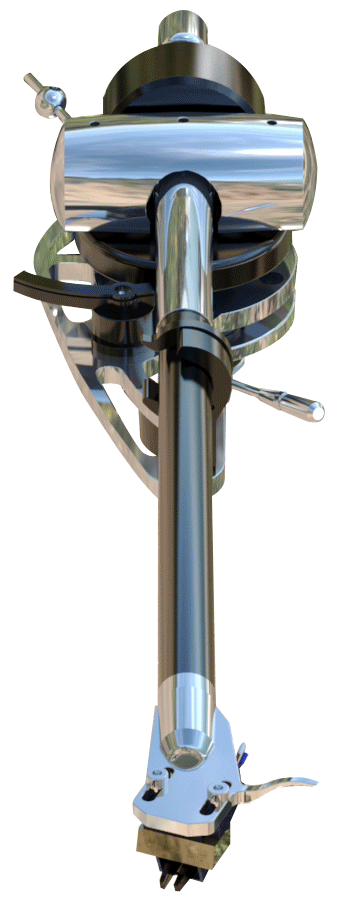
Origin Live Resolution turntable ($3300) and Enterprise tonearm ($5900)
Their combined strengths, ease of installation and remarkable sense of musicality have reinvigorated my appreciation for LPs. The new Origin Live is great news for any analog neophyte who may find the price of most good tables daunting. The quintessence of Origin Live products rests in simplicity of design and sophisticated performance. (Clement Perry) Reviewed here.
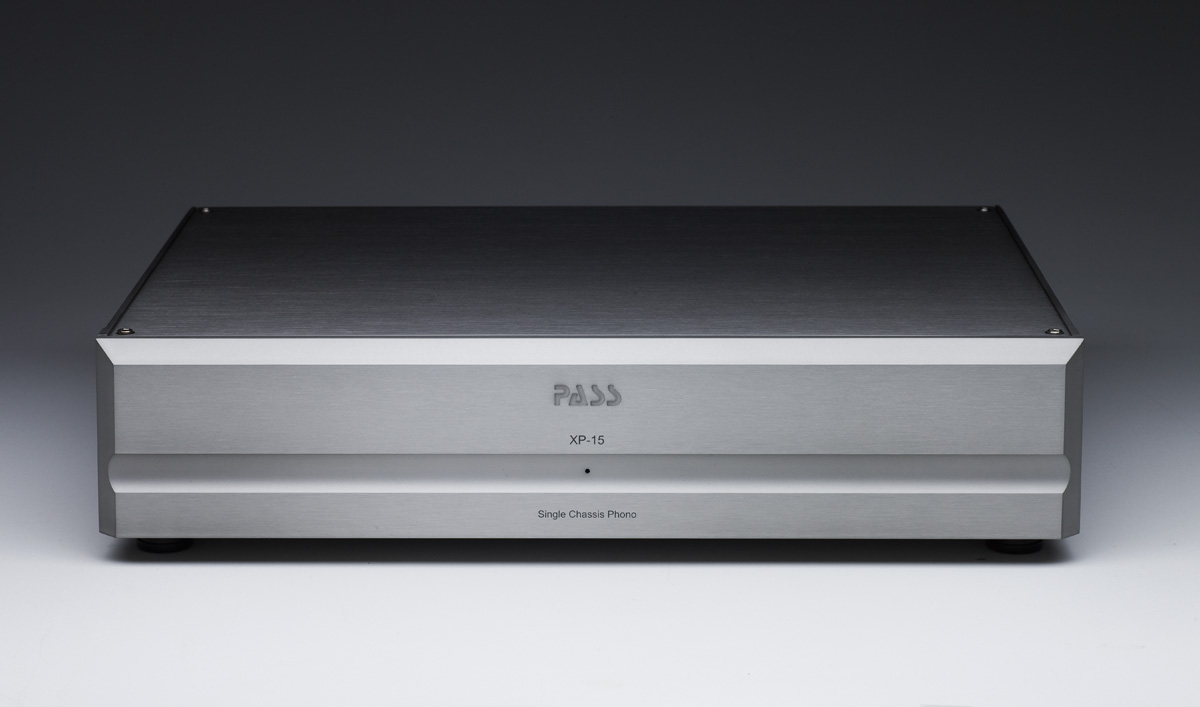
Pass labs XP15 Phono Stage ($3,800): This gorgeously built and thoughtfully designed component has done more to revitalize my love of vinyl than any other component to grace my home. The biggest difficulty I’ve had has been finding a cartridge worthy of it. It simply brings to life every particle of music that your cartridge is capable of extracting and does so in a way that computer music may never be capable of and for less the $4K! (Dave Thomas) Reviewed here.
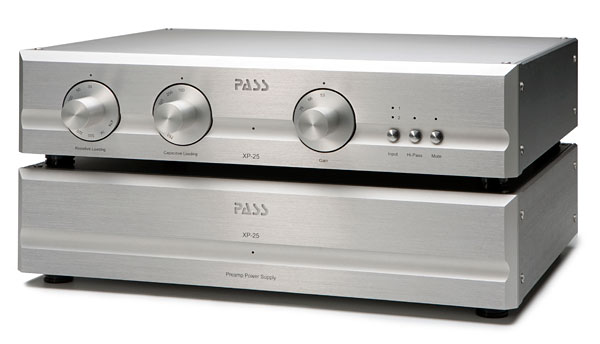
Pass Labs XP25 Phono Stage ($10,600)
The XP30’s desire to satisfy – regardless of regular grade or reference grade material (LPs) – appears relentless. Its dynamic swings and contrasts seemed so natural yet exciting. Its two-piece chassis is said to lend to greater noise reduction among other things. What’s more obvious is the XP25’s ink-black backdrop is what sets the stage for it remarkable resolution, image stability and harmonic integrity. The XP25 embodies that special blend of authenticity and excitement to my analogue system that keeps me listening well past the midnight hour. Also well built and equipped, the XP25 is versatile as a Swiss Army knife. (Clement Perry)
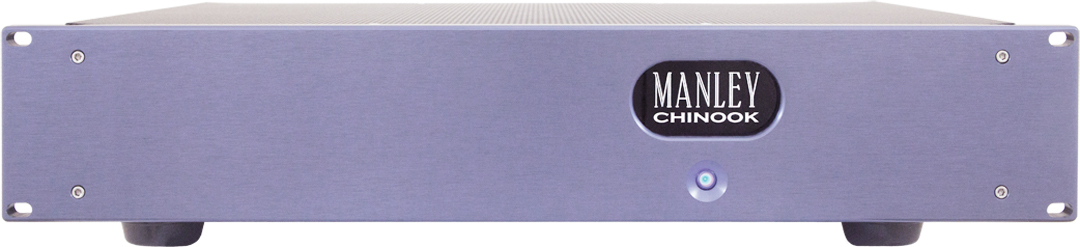
Manley Chinook Phono Preamplifier: ($2,250): This fine tube phono preamplifier can accommodate just about any phono cartridge in current production. It has two gain settings of either 45dB for moving magnet cartridges or 60dB for moving-coil cartridges. Cartridge loading is done via a rear-mounted DIP 8-switch array that provides 32 different cartridge loading options. This direct descendent of the highly acclaimed Manley Steelhead actually uses the same basic circuit as the Steelhead though it is not as feature-laden and the power supply does not have the same degree of overkill. I found the Chinook to be a very sweet, smooth-sounding unit that provides a very good sense of dynamic contrasts and surprisingly good bass articulation from its four 6DJ8 tube compliment. The price is quite reasonable and should be affordable to many. I was hooked and couldn’t resist buying the review unit. (Frank Alles – reviewed here)
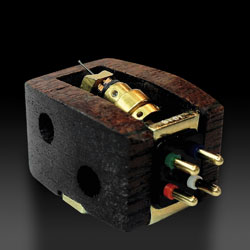
Stein Music Aventurin 6 MC Cartridge ($6k)
Hard to describe. Easy to hear. Tweak meister Holger Stein may be better known for his Harmonizers and other unusual gizmos, but his Aventurin 6 cartridge is, in my opinion truly among the best cartridge to have graced my place. Easy, yet dynamically rich and harmonically accurate is what first came to mind after extended lisening sessions. Stein (the man) visited only weeks ago to gauge firsthand what the Viv Lab Rigid arm and the big and mighty Triangle Art Reference SE turntable did with his beloved cartridge. The broad smile that came over his face spoke volumes way before a 180 gram pressing of Miles Davis’ Flamenco Sketches finished up. But Stein’s shout out “Wow Clement, …very natural!” didn’t hurt either. (Clement Perry)
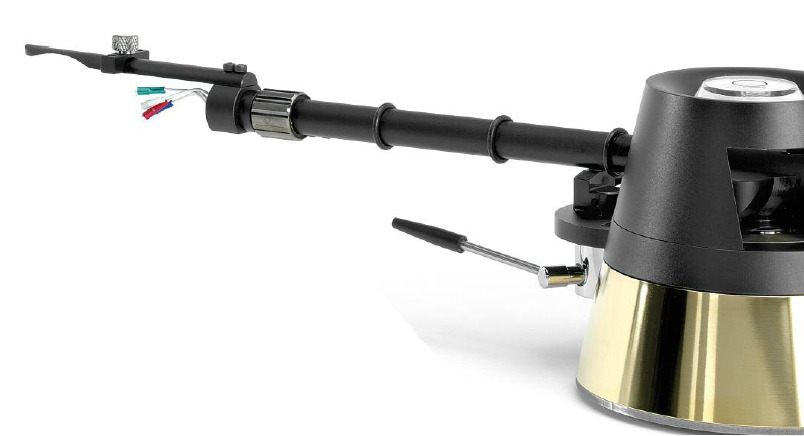
Viv Lab Rigid Tonearm (7″ $4390 / 9″ $4590 / 13″ $4990)
But if you really wish to find out whether your system has been papering over some sonic cracks and cross-compensating for some aural shortcoming with lucky unplanned system synergies, or simply holding back your cartridge’s true potential, then by all means give the RF a try. You will emerge with a better system, and one from which you will have learnt something valuable. At the end of the day, that truly is what a tonearm is supposed to do; just the truth and nothing else, thank you ma’am. (Stephen Yan) Reviewed here.
Publisher’s note: I too must concur with Stephen’s assessment of this unique and innovative arm. Mine is the 9″ variation and it provides a remarkable sense of neutrality coupled with scale and textures never realized from my analogue rig. (Clement Perry)

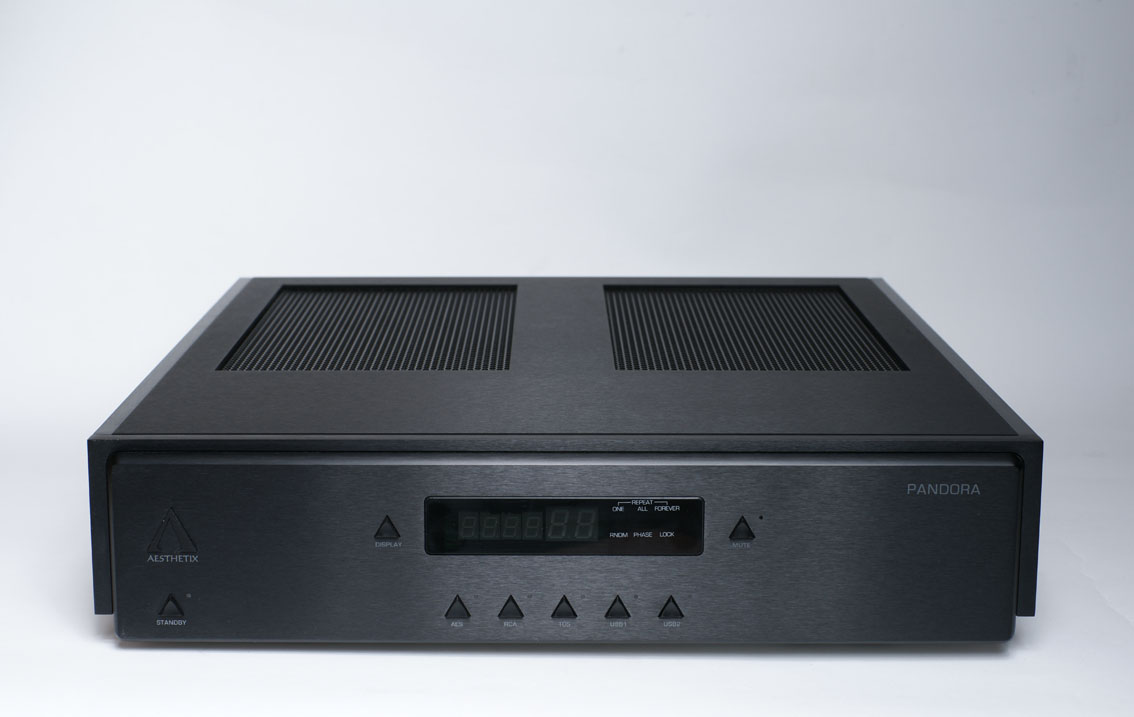
Aesthetix Pandora/Romulus Tube DAC/CDP: (Pandora DAC: $6,000, Romulus DAC/CDP: $7,000, Optional Volume Control: +$1,000, Signature Model: +$3,000): Have it your way. Aesthetix offers a lot of flexibility in their digital products. You can you configure them to your needs via both balanced (XLR) and single-ended (RCA) inputs and outputs. After using the Romulus with volume control for several months I continue to be impressed with the sonic performance and how well it drives an amplifier directly. Both units exhibit a warm and musical presentation while providing all the details and nuances of voices and instruments and an expansive soundstage. There is no harsh digital sound but neither is the sound veiled or muddy. I discerned no smoothing, just a clean and accurate presentation that invites many hours of listening.
I am anxious to try the Signature upgrade that has just been released. In addition to upgraded components, the Signature version will include DSD and DSD 2X. The Signature upgrade will be available for existing units. (Don Shaulis)
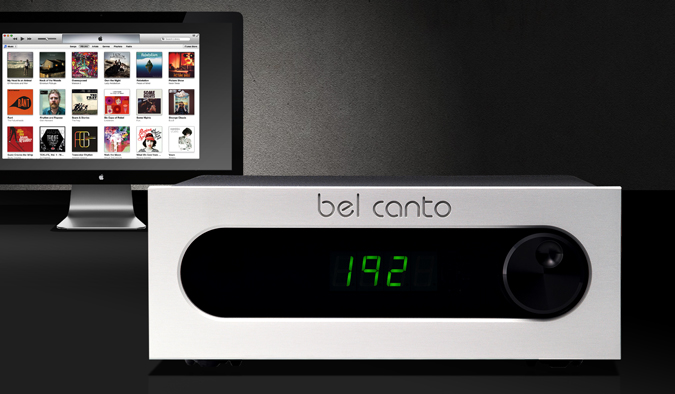
Bel Canto Design – REF Link: ($1,495): I found this USB converter to be a revelation in terms of significantly enhancing the overall sonic performance of digital playback in my reference system. By moving from the standard CD playback approach to the digital streaming process, noticeable improvements occurred across the entire audio spectrum including a more open and spacious soundstage. Music emerged with ease from an even quieter background with a more life-like, palpable, tactile quality along with noticeably improved dynamics. Clarity and inner resolution were improved with greater articulation from top to bottom. Bass performance was improved with more a solid snap, midrange textures became more rich along with greater layering, and high frequencies were smoother, more neutral and sweeter overall.
Bottom line – once this unit was in my system, and with the significant level of improvement in my system’s overall sonic performance, I felt compelled to keep it there. As such, I purchased the review sample and am a totally happy camper. See review in ST. (Bill Wells)
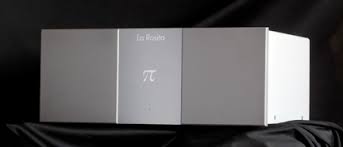
La Rosita Pi Music Server ($12,000): This French music server is a sonic delight and super intuitive to operate thanks to its iTunes-based software. This universal musical translater boasts zero jitter, zero compression as well as zero interpolation error. Hailed as a Memory Player killer over in France. I assure you it is not. It does, however, possess incredible PRaT (pace, rhythme and timing). Enough to make it a viable option for anyone that cannot afford the Laufer Teknik Memory Player’s lofty ($18,500) asking price. (Review forthcoming).
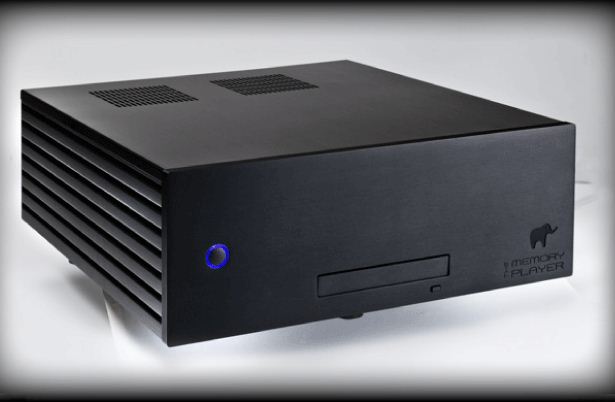
Laufer Teknik Memory Player 64 Full Version (starting at $17,500)
The latest iteration of the MP64 by Laufer Teknik squeezes out additional sonic performance, in the form of increased air, refined sound staging and even more ambient detail retrieval. Mark Porzilli, lead designer, accomplishes this through the introduction of new power filtering and noise reduction circuitry along with software refinements which continue to eliminate timing errors. In the works is a new optional tube dac along with an “Ultra” player with a new software architecture and even lower jitter. How do you get lower than femto second? (Clement Perry)
PS Audio Perfect Wave Transport ($3995)
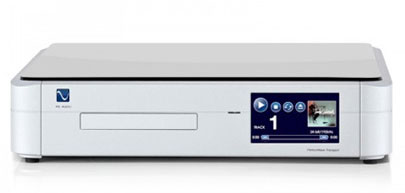 In retrospect it seems extraordinary that it has taken so many decades for digital jitter to get the limelight it is now generally receiving. PS Audio had it right decades ago when they designed the Digital Lens. A version of this revolutionary circuit lies at the heart of their Perfect Wave Transport. The logic of this approach is irrefutable. Store the data from the CD in memory, dump the encoded clocks, create new clocks to access the stored data and send the lot to the DAC. (The Perfect Wave Transport has output options of S/PDIF mutiplexed data or I2S non-multiplexed data.) Is jitter still an issue? Well, yes, nobody has yet found a way of completely eliminating jitter, but it is audibly much less of an issue. Read Many Times error correction assures an absolute minimum of erroneous or interpolated data in the playback stream. Not only does the PWT sound superior to any transport I’ve used, it features a DVD rather than a CD drive, enabling HD file playback (WAV format only at the current firmware level) as well as the inclusion of six or seven CDs-worth of data on a single 4.7GB DVD. If you still spin discs, as I do, the switch to a “memory player” will provide a remarkable improvement in your system, and at $4,000 the PWT is a bargain. (Russell Lichter – Reviewed here)

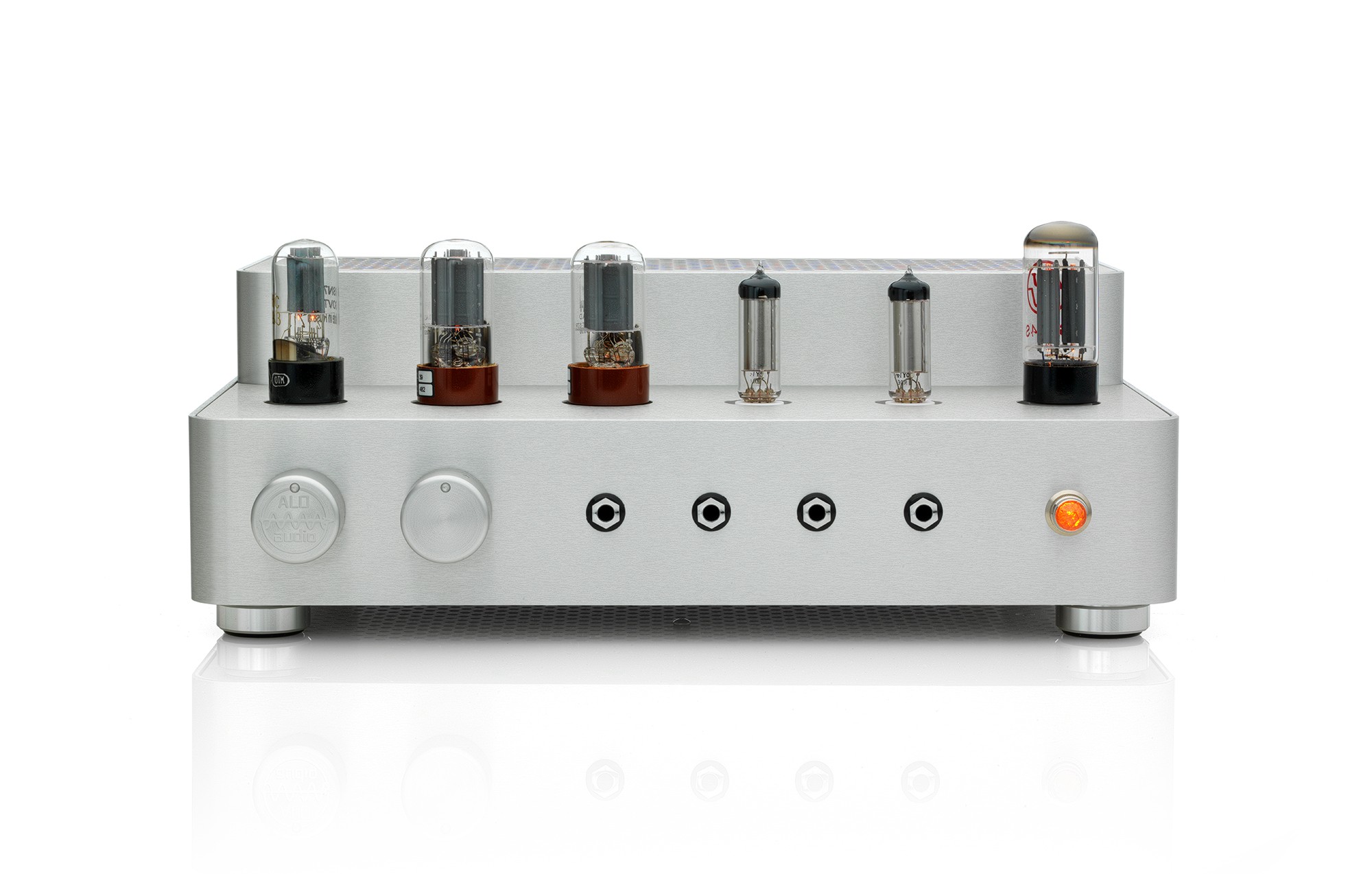 ALO Studio Six headphone amplifier: ($3,900.00 in black or silver): It does not slice and it does not dice. It simply and suavely amplifies headphones. And it does so very very well. The ALO Studio Six headphone amplifier is a Most Wanted Component if ever there was one. A 26 lb., $4,000 purpose-built device which marries a beautiful retro-modern aesthetic with tour de force single-ended triode based sonics, capable of delivering said sonics to up to four listeners of your choosing simultaneously. You couldn’t ask for a better means of conveyance for your favorite music, or for that matter, a better social catalyst at your next party. Okay, alcohol might be better for the latter. Nonetheless, the ALO Studio Six is a marvelously elegant musical device. (David Abramson – reviewed here)
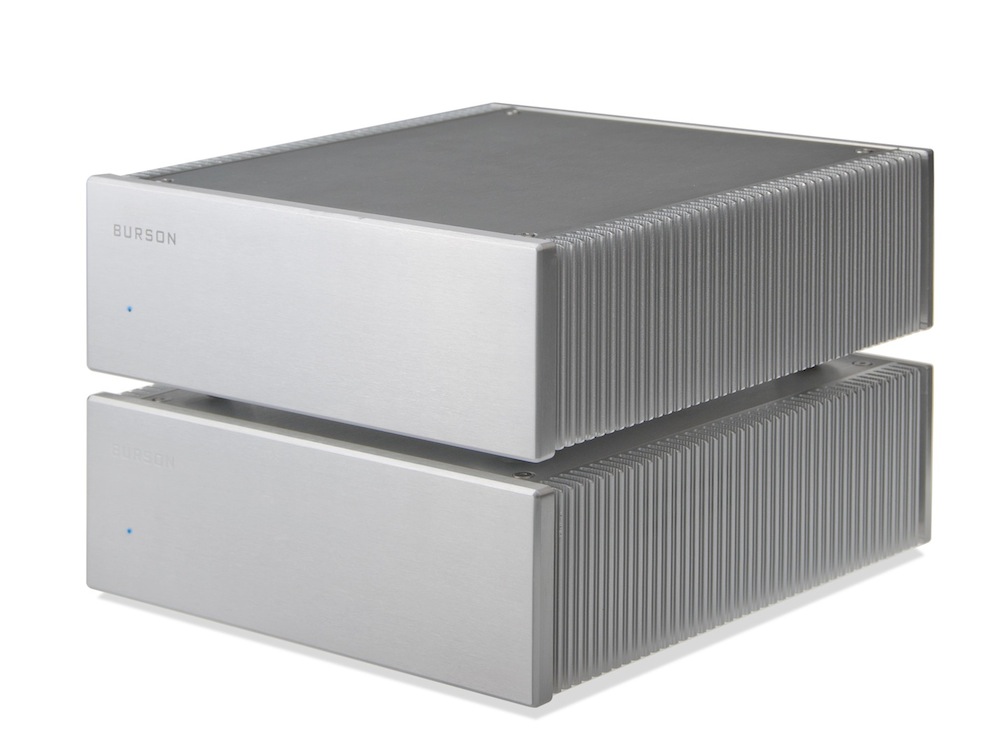
Burson Audio Timekeeper amplifier ($2500): I thank David Abramson for turning me on to this Australian company. The Timekeeper is just a sensational sounding amplifier that seems destined for greatness, thanks in part to its solid-state build, which creates for a very controlled low-end. But couple this vice-grip control to an almost tube-like glow to voices. Now you understand why I am so fond of Burson Audio. Remarkably priced for the performance too. Clement Perry – reviewed here)
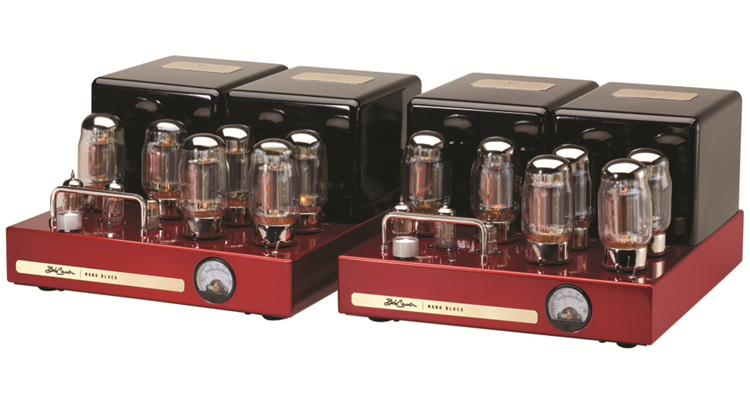
Carver Cherry 180M Mono Block Amplifier: ($7995/pr.): My review time with the Cherry 180 Mono Blocks was a wonderful musical listening experience. The Cherries exhibited lush, textured and nuanced vocals, with a smooth and engaging character, presenting a midrange that was simply to die for. These bad boys sounded great with a wide range of speakers from the most demanding to the most efficient. If you tend toward the more dynamic end of the spectrum, you have the flexibility of switching to modern mode and upping the bias a bit to get a more dynamic/articulate presentation. If your mood changes and you desire a more laid back sound, the Cherries are like chameleons that can adapt to that preference-of-the-day by a mere flick of a switch to classic mode. Not a bad option to have at your fingertips. If you have the opportunity, give the Cherries a listen. It will be an experience that you likely won’t soon forget. (Lew Dardick – reviewed here)
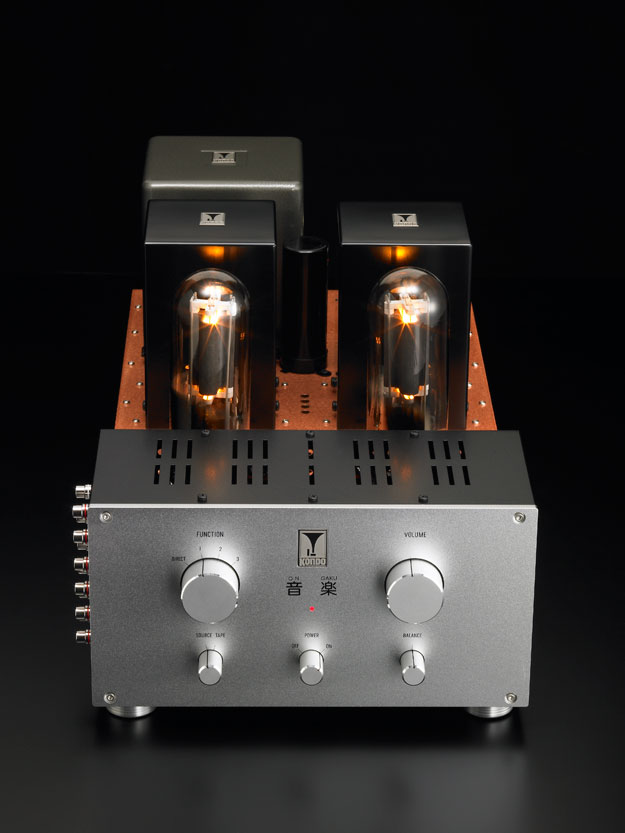
Kondo-Audio Note Ongaku Integrated amplifier: ($101,342), G-70 preamplifier ($33,968), GE-1 Phonostage ($12,366), and KSL-SFz Silver Step Up Transformer ($9,048): The Kondo sound is freer of mechanical artifacts than any other products I have had the pleasure to audition. The overall character of the Kondo sound is pure and intimate. Well, there you have it Kondo is the best tube gear I’ve encountered in my system. (Key Kim – reviewed here)
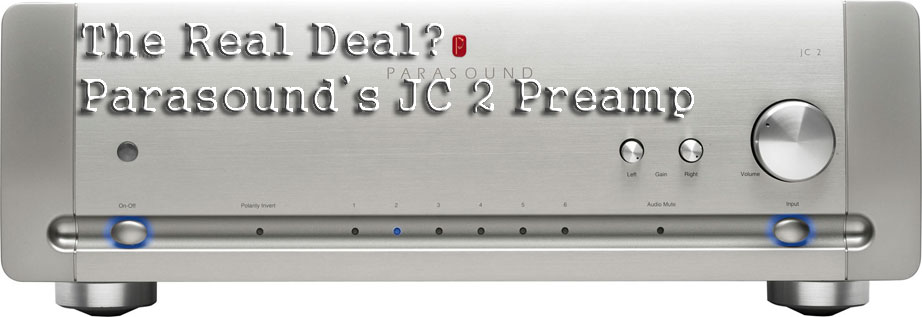
Parasound JC 2 Preamplifier: ($4,000): If you are in the market for a great preamp at a reasonable price, with exceptional dynamics and clarity, yet smooth with the natural bloomy attributes of some fine tube gear, the JC 2 may be your ticket to audio nirvana. It was for me, to the point that I bought the review sample. It’s not too often that you come across a world class product at a very reasonable price in the world of high end audio, but in the case of the JC 2 preamp, I believe it fits the bill. When I removed the JC 2 from my system I felt like something was missing. I was not hearing all the little details and resonance of the instruments that I heard when the JC 2 was in place. I loved the JC 2 when it was mated with warmer associated equipment. There was a wonderful synergy that struck the right musical balance for my listening taste. This is one awesome preamp that took my system to a level of performance that I previously did not think was possible using a $4,000 preamp. (Lew Dardick – reviewed here)
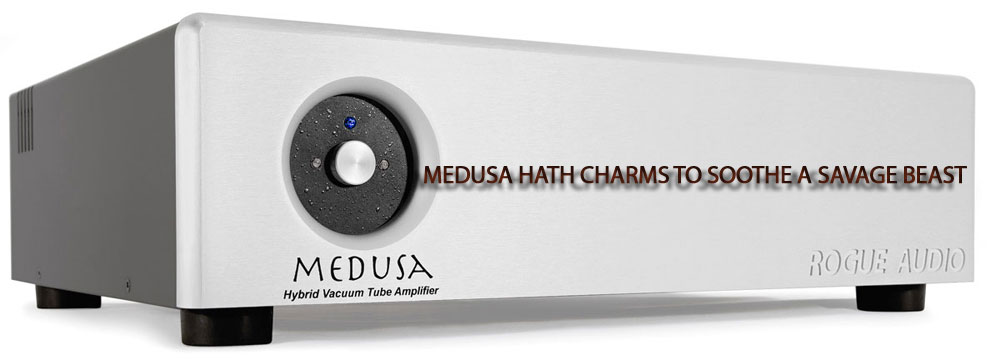
Rogue Audio Medusa Tube-Hybrid Power Amplifier: ($3,995 with Black or Silver faceplate): This is the perfect amplifier for people who need a high-power amplifier that sounds smooth and seductive in the tradition of fine valve amplifiers but also has fantastic bass articulation while not doubling as a room heating device. The Rogue Medusa with its trademarked TubeD™ technology has become one of my favorite amplifiers, combining the sweet sound of a tube input stage with very potent Hypex class-D power output modules. It has been serving happily in my large-room reference system for some time now. The Medusa is a very quiet amplifier and provides both RCA and XLR-Balanced stereo inputs. Highly recommended! (Frank Alles – reviewed here)
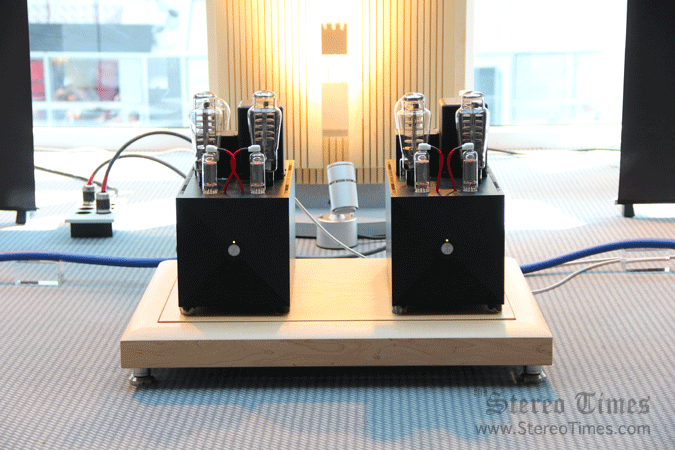
Thrax Audio Spartacus Monoblock Amplifier: ($48,500/pair) and Dionysos Tube preamplifier: ($21,500): Thrax Audio is a state-of-the-art tube electronics company from Bulgaria and its products are among the best I’ve heard. The 70-watt amps are Class-A designs, featuring two-stage shunt regulated, directly heated triodes (DHT) and the preamp features a unique transformer–based volume control. Listening to a string quartet was simply blissful. The music was rendered delicately and truthfully. Strings were portrayed vividly; the bloom, the sheen and overtones were exquisitely captured. Thrax carefully chooses each part it uses after many hours of listening tests and each component is meticulously constructed by artisans. (Key Kim)
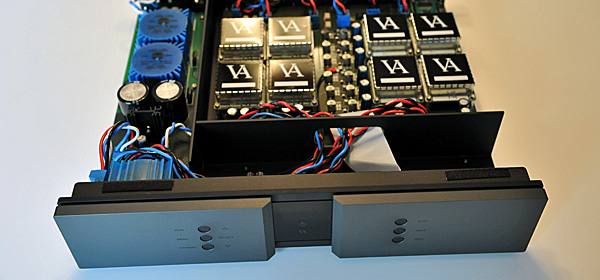
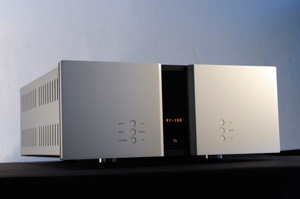
Vitus Audio RD-100 DAC Linestage and RS-100 Stereo Amp (RD-100 $14,000 and RS-100 $13,500): From Vitus Audio’s “entry level” Reference Series component line comes a DAC/Linestage and power amp combination that will fearlessly compete with the very best available, even including Vitus’ own pricier product lines. The RD-100 is a fully analog linestage with a complete array of digital inputs. The RS-100 is a 300 watt Class-AB stereo amp that may lack a bit of the sweetness of Vitus’ pure Class-A designs but damn that amp can slam! The rhythm, spaciousness, stage depth, and percussive snap are just flat out dazzling, all the while maintaining much of your recordings’ musical richness. And because these are Vitus products you know the build quality is breathtaking. (Dave Thomas – reviewed here)
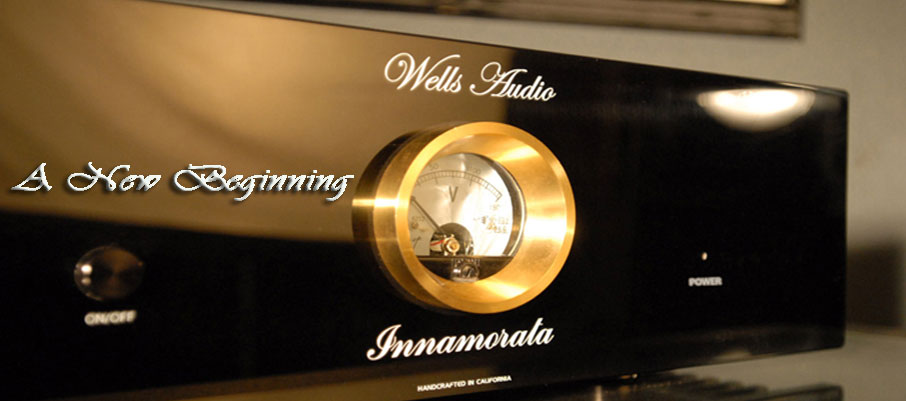
Wells Audio Innamorata stereo amplifier:$6,500.00
As it stands in the here and now, there’s no question that Jeff Wells has hit a home run with the remarkable sounding Wells Audio Innamorata stereo amplifier. I think the Innamorata ushers in something fresh and exciting at its price point and beyond. The Innamorata is in a word special (Clement Perry – reviewed here).

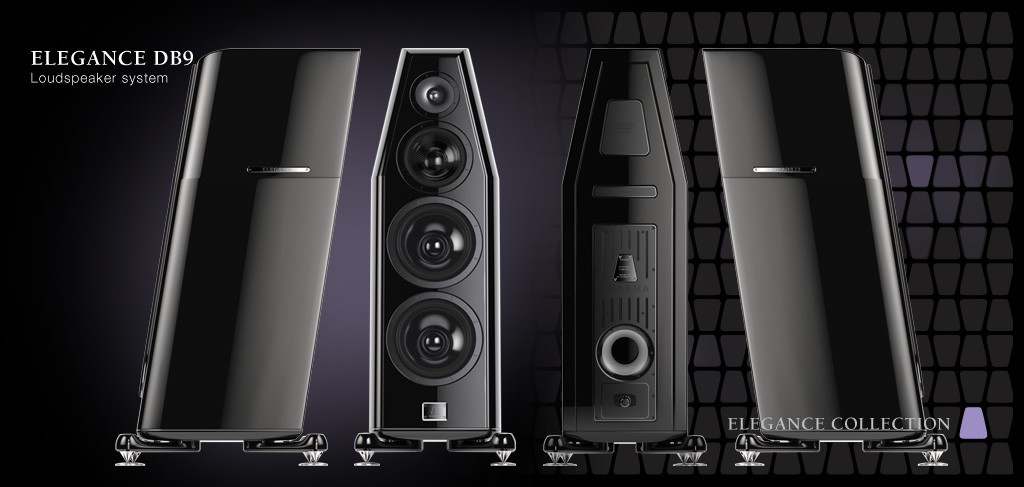
Kharma Elegance dB9-S: ($36,000): Made in Holland, the attractive Kharma Elegance dB9-S is a three-way floorstander, using a 1” beryllium tweeter, Kharma’s Charles Van Oosterum designed 7” Kharma Omega midrange driver (carbon-composite driver), along with two 9” aluminum woofers, housed in exquisitely finished cabinets. The dB9-S provided a well-balanced sound overall, with a gorgeous three dimensional soundstaging and superb dynamic range capability. (Key Kim)
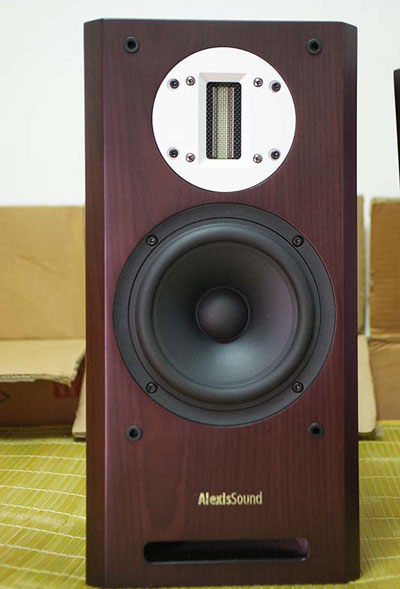
Alexis Sound Rebecca Monitor ($850): That an $850 loudspeaker would be included in this list is noteworthy enough. That this ribbon-based loudspeaker sounds so rich and at ease comes as a major relief for this dying hobby of blowhards who believe a high-end product is based on performance – and asking price. Not so. Judged solely on its performance, I would have swore this two-way monitor retailed for at least $2800. Rejoice all you budget minded music lovers. (Clement Perry – review in the works)
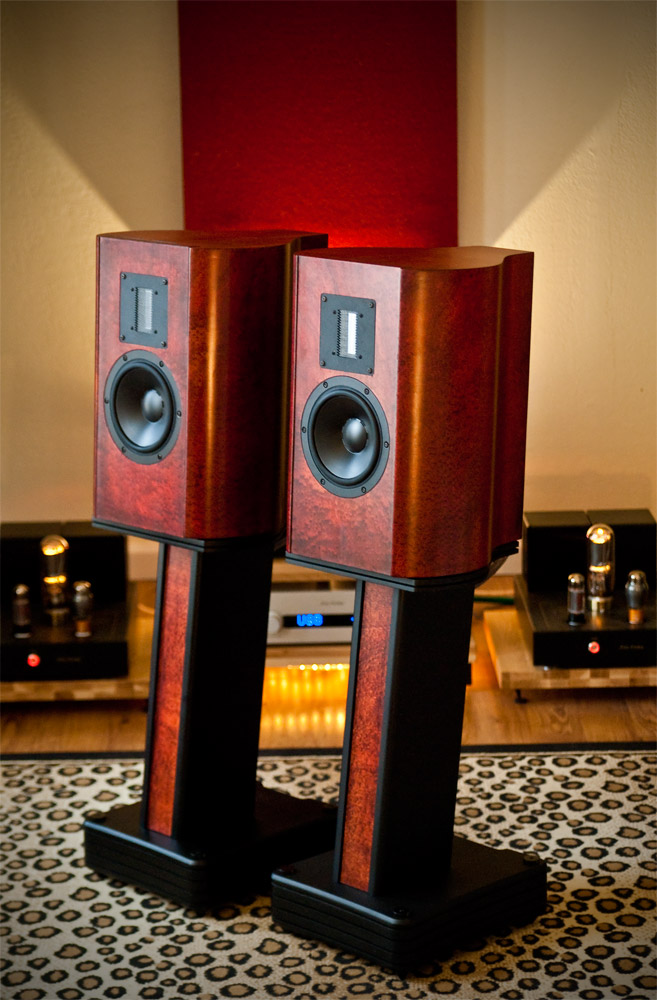
Vapor Audio Cirrus Blacks ($3,995): The Cirrus Blacks really did justice to almost any reasonably well-recorded album or CD. There are bigger, more expensive speakers out there, but don’t count out the little guy. The Vapor Audio Cirrus Blacks are a very serious effort that has yielded a great loudspeaker. If you’re looking in this price range, or even higher, don’t overlook them. They really are something special. (Greg Simmons – Reviewed here)
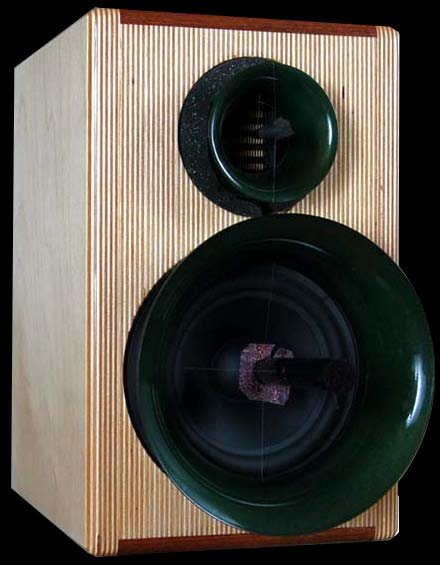
Wavetouch Audio Grand Teton Monitor loudspeakers: (Russian Baltic Birch $3,500/pr., Piano Black MDF cabinets $2,000/pr.): These small monitor speakers using newly developed Wavetouch Technology (employing horns with waveguides) produced a hu


Stereo Times Masthead
Publisher/Founder
Clement Perry
Editor
Dave Thomas
Senior Editors
Frank Alles, Mike Girardi, Russell Lichter, Terry London, Moreno Mitchell, Paul Szabady, Bill Wells, Mike Wright, and Stephen Yan,
Current Contributors
David Abramson, Tim Barrall, Dave Allison, Ron Cook, Lewis Dardick, John Hoffman, Dan Secula, Don Shaulis, Greg Simmons, Eric Teh, Greg Voth, Richard Willie, Ed Van Winkle, Rob Dockery, Richard Doron, and Daveed Turek
Site Management Clement Perry
Ad Designer: Martin Perry
Be the first to comment on: Most Wanted Components 2013